Commercial Waste Removal in Twickenham

Commercial waste removal in Twickenham should be straightforward, tidy and suited to the way your premises actually operate. We handle recurring and one-off collections for businesses that need dependable disposal of general office waste, bulky items, mixed commercial rubbish and recyclable materials. The service is designed to keep work areas clear without turning waste handling into an interruption, so collections can be planned around access, trading hours and the type of material being removed.
For many sites, the useful question is not simply how much waste there is, but how it is stored, separated and collected. Our approach is to match the removal method to the material stream and the access available, whether that means loading from a yard, a rear service route, an office floor or a shared access point. Clear waste handling helps keep premises presentable and workable, while also making it easier to separate items that can be reused, recycled or disposed of appropriately.
We can support businesses with business waste removal, regular office clearance work, and broader waste removal where a single collection needs to cover mixed items. If you are comparing different ways to clear out desks, storage areas or back-of-house materials, it also helps to review the pricing and quotes information before you decide how to proceed.
Business waste collections for day-to-day operations
Day-to-day business waste builds up in predictable places: bins near staff kitchens, packaging from deliveries, broken fixtures from fit-outs, or bagged rubbish gathered after a busy trading period. A commercial collection service should be able to deal with those streams without forcing staff to manage them manually for longer than necessary. We focus on organised removal that supports normal operations, rather than leaving you to work around waste for days on end.
Depending on the site, collections may involve bagged general rubbish, cardboard, archive material, light fixtures, shelving, or other non-hazardous commercial items. Where a business has different waste types, it is usually sensible to group items before collection so the load can be handled efficiently. If you need a service for regular office or premises clear-outs, the business waste removal and office clearance pages give a useful starting point for the kinds of work that can be arranged.
Useful preparation is usually simple:
- separate items that must not be mixed with general waste;
- keep access routes clear so removal can be completed safely;
- group similar materials where practical, such as cardboard or redundant office items;
- note any heavy, awkward or bulky items in advance;
- check whether items are located upstairs, in storage, or in a rear yard.
Office clearance and workplace rubbish
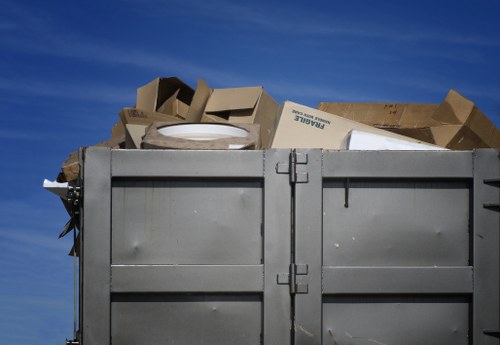
Office clearance often needs more than simple waste collection. Desks, chairs, filing units, cabinets, monitors, small electricals and packaging all create different handling requirements, and the right approach depends on what is leaving the building and what must stay in place. We can remove mixed workplace waste in a way that keeps the space usable while items are being cleared, which is particularly helpful when one area must remain open for staff or visitors.
For larger workplace projects, it can help to break the work into categories: reusable furniture, confidential material, general rubbish and recyclable items. That makes it easier to decide what should be moved first and what can be handled at the same visit. Where papers or records are involved, some customers also look at confidential shredding as a separate step, especially when privacy and document handling need to be considered carefully. For mixed office waste, the aim is simple: keep the process orderly and avoid unnecessary disruption.
H3: What office clearance may cover
Typical office clearances can include furniture, bagged rubbish, archive boxes, IT peripherals, shelving and non-hazardous fittings. The exact scope depends on the premises, the amount of space available and whether the work is a room-by-room clear-out or a broader office reset. If the clearance is being carried out during a move, refurbishment or end-of-lease project, it usually helps to define the items to be taken so that staff can keep hold of what is staying on site.
Bulky item disposal and furniture removal
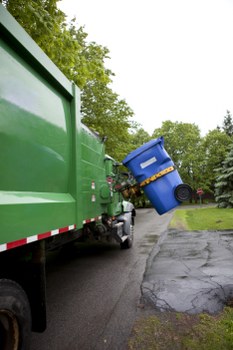
Bulky waste needs careful handling because many items are awkward to move through corridors, stairs or shared entrances. Office chairs, filing cabinets, tables, reception seating and other furniture often require more than a simple bin lift. Our furniture removal work is designed for these heavier items, helping businesses clear space without having to dismantle or shift everything themselves. The emphasis is on safe loading and sensible sorting, not on turning the process into a major disruption.
If the job includes items that are no longer in use but still physically intact, it may be practical to separate them from broken materials before collection. That makes it easier to decide what can be reused, what should be recycled and what has to be treated as general disposal. For furniture-specific work, pages such as furniture clearance and furniture disposal are useful when the main requirement is to remove bulky pieces rather than handle a full site clearance. Where a larger mixed load is involved, these services can sit alongside broader waste removal.
Heavy items are best described clearly before collection. A short list of what needs removing, where it is located and whether it can be carried out in one piece helps us plan the job properly. If there are items that are especially large, awkward or require access through a narrow route, saying so in advance helps avoid delays and unnecessary handling. That is usually all that is needed to prepare an accurate quotation request.
Clearances for storage areas, lofts and garages
Commercial premises often contain storage spaces that become catch-all areas for unused stock, obsolete equipment, surplus materials and packaging. Garage-style storage, loft spaces, service rooms and outbuildings can all end up holding items that no longer support the day-to-day running of the business. A clearance service for these areas should be organised enough to deal with awkward access and varied contents, while still separating the items into sensible waste streams.
For this kind of work, it is useful to identify what is stored in the space before collection day. Some items may be lighter but more numerous, such as boxes or paper stock, while others may be denser and require more careful movement. Relevant pages such as garage clearance and loft clearance are worth reviewing if the main task is to empty a confined or difficult-to-access area. The same planning approach applies whether the room is a spare storage area, a roof space or a back-room reserve.
H3: Access and handling matter
Clearance work is usually smoother when routes are kept open, fragile items are identified early and any loose contents are bagged or boxed before removal. That does not mean the site must be over-prepared, only that a little structure makes the work more efficient. Where a space contains mixed materials, the most practical approach is often to remove the bulky items first and then finish with the smaller loose waste once access has improved.
Waste from refurbishments, fit-outs and building work
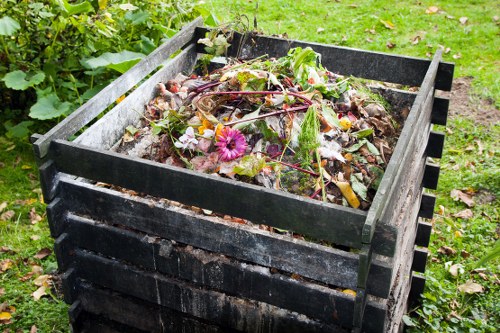
Construction-related commercial waste can include rubble, timber offcuts, packaging, old fixtures, broken fittings and materials left after minor works. This type of waste is often generated quickly, especially during refurbishments or internal changes where a room is stripped and rebuilt in stages. We can support jobs where the waste is not suitable for ordinary office collection, provided the load is described clearly and handled in line with the material type.
For sites that are being altered or refreshed, a dedicated clearance service can help keep the project moving without making the workspace cluttered. The most useful information is usually the nature of the material, how much there is and where it is located. Where the load comes from a strip-out or renovation, the builders waste clearance page is relevant, and the broader waste removal option can suit mixed commercial loads that combine general rubbish with leftover project materials.
Not every site produces the same kind of waste, so the collection method should reflect the job rather than forcing everything into one approach. A small refresh may only need a targeted pick-up, while a larger refurbishment might need several loads or a coordinated emptying of a particular floor or unit. Useful quotation details include the material type, access route and whether the waste is loose, bagged or stacked.
Kitchen, appliance and mixed item disposal
Commercial waste can include awkward items that do not fit neatly into standard rubbish streams, especially in kitchens, break rooms and staff facilities. Fridges, small appliances, worn seating and mixed furniture often need separate handling because of their shape, weight or composition. We can remove these items as part of a planned collection, helping businesses clear redundant equipment without leaving it in corridors, yards or storage spaces longer than necessary.
When appliances are involved, it is usually best to note whether the item is freestanding, integrated or part of a wider set of fixtures. That makes it easier to decide what should be removed together and what requires a different approach. If you are dealing with refrigerators or similar units, the fridge and appliance removal page is a useful reference, while the mattress and sofa disposal page may be relevant when a commercial property is replacing soft furnishings in staff or visitor areas.
The goal is not only disposal, but sensible handling of items that may need extra attention because of their materials or bulk. Where a business is clearing several different item types at once, a mixed collection can often be arranged more efficiently than splitting everything into separate visits. That said, the better the description of the load, the easier it is to plan a clean and orderly removal.
About Twickenham
Twickenham is a riverside town in southwest London, set within the London Borough of Richmond upon Thames and best known for its long association with the River Thames, rugby and historic suburban development. The Thames curves past the town’s edge, with areas such as Eel Pie Island and the riverfront paths giving Twickenham a distinctive waterside character. Nearby Richmond Bridge, one of the oldest surviving stone bridges across the Thames in London, connects the town to the wider historic riverside landscape and reflects the area’s older transport links. Twickenham Green provides a prominent open space in the centre of the town, while smaller squares, residential streets and surviving period buildings create a varied urban fabric rather than a single uniform centre.
The town’s built environment includes Georgian and Victorian houses, civic buildings and a number of historic landmarks linked to its development as a suburban and leisure destination. York House, with its gardens and sculptural features, is one of the better-known local historic properties, while the old Twickenham Stadium area has long shaped the town’s identity through sport. The local High Street and surrounding roads combine shops, services and residential uses, and the town has also been associated with arts and literary history through figures connected with the Thames-side retreat of Strawberry Hill. That mix of river scenery, heritage buildings, green spaces and local streets gives Twickenham a layered character that is both metropolitan and distinctly local.
Recycling, sorting and responsible disposal

Commercial waste removal is more useful when it is not treated as a single undifferentiated load. Different items may need different handling, particularly where cardboard, metals, furniture, electrical items or mixed office materials are involved. A practical service should sort what can be separated and keep disposal organised, rather than simply loading everything together without thought. That approach is better for site management and makes the collection process more transparent for the customer.
Businesses often appreciate having one conversation about the load rather than several separate arrangements for different item types. That can be especially helpful when a premises is changing use, closing a room, or clearing several areas at once. If you are comparing disposal routes, the recycling and sustainability page may help explain the disposal principles behind the service, while hazardous waste disposal is relevant only where the material requires a specialist approach beyond ordinary commercial rubbish.
H3: What to mention when requesting a quotation
It is helpful to state the type of waste, how it is packed, where it is located and whether there are stairs, tight corners or restricted access. If the collection is part of a business move, a refurbishment or a general tidy-up, mention that too so the work can be approached in the right order. If you are ready to move ahead, send the details of the load and the location and ask for a quotation request through the contact option below.
Pricing, planning and the right level of service
Commercial waste jobs are usually priced according to the amount of material, the type of waste, the handling required and the access involved. A straightforward load of bagged rubbish is different from a bulky furniture clearance or a mixed office emptying project, so the quotation should reflect the actual work rather than a rough guess based only on the size of the premises. Where items need sorting, dismantling or additional carrying, those factors can also influence the price.
It often helps to group the job into a few clear points before you enquire: what is being removed, where it is located, how much there is and whether any items are especially heavy or awkward. That keeps the conversation focused and makes it easier to compare options sensibly. For customers who prefer to plan before booking, the book online page may be useful, while the pricing and quotes page gives a straightforward route to request a figure for the work.
Whether you need a one-off clearance or a repeat collection pattern, the most useful starting point is a clear description of the material and the space it occupies. We can discuss the scope and suggest the most appropriate form of removal for the load, then tailor the collection to the access and timing available. For a quick next step, ask for a quotation when you are ready.